Introduction
Freelancing platforms are online marketplaces that connect freelancers with clients, but not all platforms are equal. Some reward beginners, while others favor experience, niche skills, or long-term reputation.
Many beginners join multiple freelancing platforms hoping for quick results—and end up overwhelmed or discouraged. The problem is rarely freelancing itself; it’s choosing the wrong platform for the wrong stage. This article explains how freelancing platforms actually work, which types are worth your time as a beginner or intermediate freelancer, how to evaluate them realistically, and how to avoid wasting months on platforms that don’t match your goals.
Table of Contents
- How Freelancing Platforms Really Work
- Why Not All Platforms Are Beginner-Friendly
- Types of Freelancing Platforms (Explained)
- Comparison Table: Platform Type vs Opportunity
- Common Platform Mistakes and Fixes
- Information Gain: Platform Economics Matter
- Real-World Scenario: Choosing the Right Platform
- Tools to Succeed on Freelancing Platforms
- FAQs (People Also Ask)
- Conclusion
How Freelancing Platforms Really Work
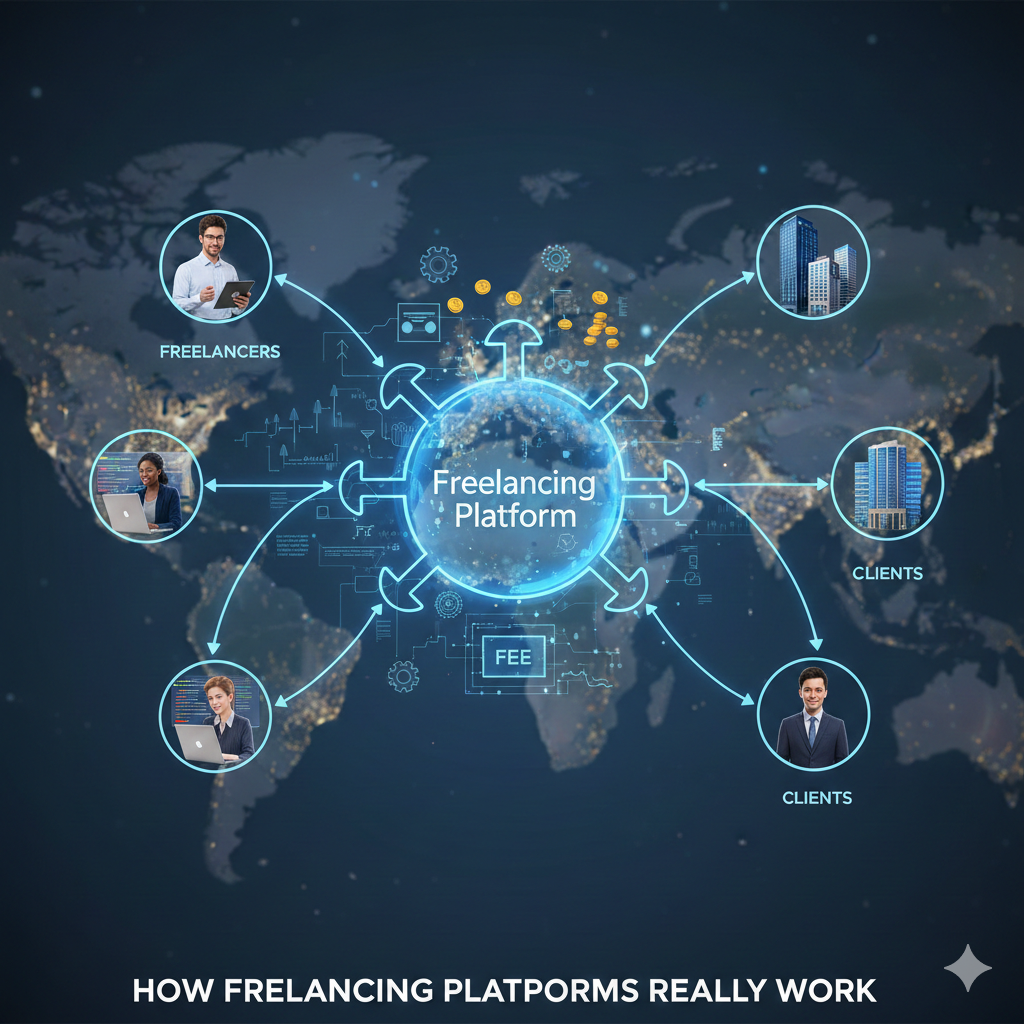
At their core, freelancing platforms do three things:
- Attract clients
- Attract freelancers
- Take a cut from completed work
Platforms make money when work gets done, not when freelancers sign up. This creates competition—especially at entry level.
What many beginners don’t realize is that platforms are optimized for client success first, freelancer success second. Understanding this helps you adjust expectations and strategy.
Why Not All Platforms Are Beginner-Friendly
Some platforms favor:
- Experienced freelancers
- Niche specialists
- Strong portfolios
- Long-term platform activity
Beginners struggle on these platforms not because they lack talent, but because trust signals take time to build. Other platforms are designed for volume and entry-level work, making them better starting points.
Types of Freelancing Platforms (Explained)
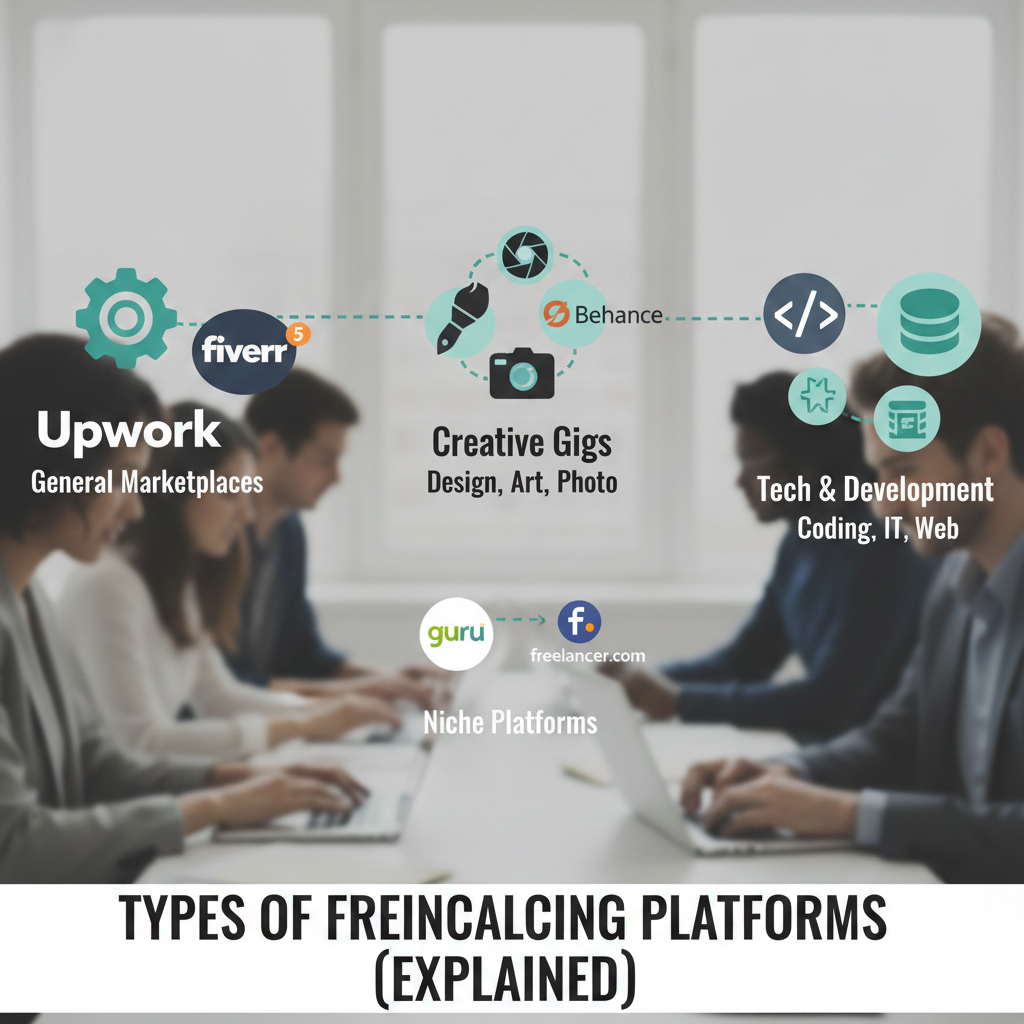
Open Marketplaces (Beginner-Friendly)
These platforms allow anyone to apply for jobs.
Pros:
- Easy entry
- Many small projects
- Skill-building opportunities
Cons:
- High competition
- Lower initial rates
youtube
https://www.youtube.com/watch?v=Yz5GzFz2H1E
(How open freelancing platforms work)
Skill-Based or Curated Platforms
These platforms screen freelancers or favor specialists.
Pros:
- Higher-paying clients
- Less competition
Cons:
- Harder to enter
- Slower approval
These platforms are better once you have proof and experience.
Direct Client Platforms & Communities
Some platforms focus on long-term client relationships.
Pros:
- Stable work
- Repeat clients
Cons:
- Fewer listings
- Requires strong communication
These are ideal for freelancers seeking consistency.
Comparison Table: Platform Type vs Opportunity
| Platform Type | Entry Difficulty | Competition | Pay Potential | Best For |
| Open Marketplaces | Low | High | Low–Medium | Beginners |
| Curated Platforms | High | Medium | High | Specialists |
| Client Communities | Medium | Low–Medium | Medium–High | Consistency |
| Direct Outreach | Medium | Low | High | Growth-focused freelancers |
Common Platform Mistakes and Fixes
Joining Too Many Platforms
Fix: Focus on one or two platforms initially.
Applying Without Strategy
Fix: Target small, clear jobs that match your skill.
Competing Only on Price
Fix: Compete on clarity, speed, and reliability.
[Expert Warning]
If a freelancing platform charges high upfront fees without clear client access, it’s often monetizing freelancers—not helping them.
Information Gain: Platform Economics Matter (SERP Gap)
Most articles rank platforms by popularity. That’s misleading.
What matters more is platform economics:
- Who pays the platform?
- How often clients return?
- How trust is distributed?
Platforms that rely on repeat clients and long-term projects tend to reward freelancers more sustainably. This economic perspective is rarely explained in top-ranking content but explains why some freelancers succeed while others struggle.
Real-World Scenario: Choosing the Right Platform
A beginner joins a highly competitive platform and applies to hundreds of jobs with no response.
Another beginner chooses a simpler platform, targets small tasks, communicates clearly, and builds reviews.
Within weeks, the second freelancer gains momentum—not because of skill difference, but because of platform fit.
[Pro Tip]
The best platform is the one where your current level feels competitive, not intimidating.
Tools to Succeed on Freelancing Platforms
- Proposal templates (customizable)
- Time and task trackers
- Portfolio hosting tools
- Communication and follow-up systems
Use tools that help you stay consistent and responsive.
FAQs
Q1: Are freelancing platforms worth it for beginners?
Yes, if beginners choose entry-friendly platforms.
Q2: Should I join multiple platforms at once?
No. Focus on one platform first.
Q3: Why do some freelancers never get clients?
Poor platform fit and unclear proposals.
Q4: Do platforms favor experienced freelancers?
Some do, but not all.
Q5: Can freelancing platforms lead to long-term clients?
Yes, many long-term relationships start there.
Q6: Is direct outreach better than platforms?
Often yes, but platforms are safer for beginners.
Conclusion
Freelancing platforms are tools—not guarantees. When freelancers understand how platforms work, choose ones aligned with their experience level, and focus on clarity over competition, results improve dramatically. Start where you can compete, build trust step by step, and move to better platforms as your proof grows. Platform choice is strategy—and strategy beats effort.
Internal Link
Online Skills That Pay Well in Freelancing (And Why) – earnfuel.com